

Complex Trauma in Vijayawada

Complex trauma treatment in Vijayawada refers to severe, multi-faceted injuries often involving multiple fractures, soft tissue damage, and associated complications that result from high-energy impacts such as falls from great heights, motor vehicle accidents, or industrial incidents. These injuries are characterized by their intricate nature, often requiring multidisciplinary management due to the extent of tissue destruction and the potential for complications like infections, vascular injuries, or nerve damage. The complexity arises not only from the injury patterns but also from the challenges in restoring function, preventing deformities, and addressing the psychological impact on patients, emphasizing the need for comprehensive, coordinated care by the best orthopedic trauma surgeon in Vijayawada to optimize outcomes.
Complex Trauma Injuries
Complex orthopedic trauma encompasses a spectrum of severe injuries involving multiple structural components, such as polytrauma with combined fractures of long bones (femur, tibia, humerus), pelvic ring disruptions, spinal injuries, and associated soft tissue damages like extensive muscle lacerations or vascular injuries. Unique to complex cases are often open fractures with significant contamination, multi-site injuries compromising limb viability, and intra-articular fractures that threaten joint function, all requiring multidisciplinary management under a fracture and trauma specialist in Vijayawada to restore stability, function, and prevent long-term disability. Complex trauma injuries often need immediate emergency trauma care in Vijayawada.
- Multiple Fracture
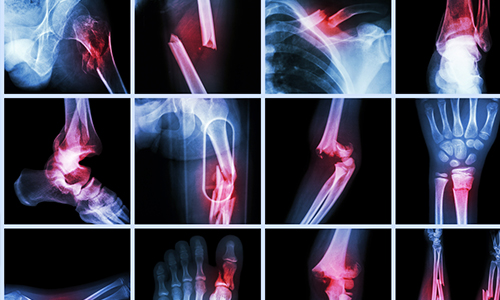
A multiple fracture refers to the occurrence of two or more fractures in a single bone or different bones within the body, often resulting from high-impact trauma such as accidents or falls. This condition can complicate healing, increase pain and disability, and often require complex medical interventions like surgery or immobilization for proper recovery. Multiple fracture treatment in Vijayawada offers comprehensive care for complex fractures, utilizing advanced imaging, minimally invasive surgical techniques, and personalized rehabilitation plans to ensure optimal recovery.
Our More Specializations
- Open Fracture
An open fracture occurs when a broken bone punctures the skin, creating a wound that exposes the bone and internal tissues to the environment. This type of fracture poses a high risk of infection, bleeding, and delayed healing, requiring prompt medical attention, antibiotics, and often surgical intervention to ensure proper recovery.
- Pelvic and Acetabular Injuries
Pelvic and acetabular injuries encompass fractures or dislocations affecting the pelvic ring and the acetabulum, which serves as the socket component of the hip joint. These injuries typically result from high-energy trauma, such as car accidents or falls, and can cause significant pain, instability, and nerve or blood vessel damage, often requiring surgical intervention for stabilization and recovery. Pelvic fracture treatment in Vijayawada offers a comprehensive approach tailored to the severity and type of the injury, combining advanced diagnostic imaging with minimally invasive surgical techniques and personalized rehabilitation programs.
- Soft Tissue Damage
Soft tissue damage refers to injuries affecting muscles, tendons, ligaments, or skin, often caused by trauma, overstretching, or impact. Injuries such as strains, sprains, and contusions often lead to discomfort, swelling, bruising, or restricted mobility, but they usually improve with proper care. Effective management generally involves the RICE method—resting the affected area, applying ice to reduce inflammation, compressing with bandages to minimize swelling, and elevating the limb to facilitate healing.
- Limb-Threatening Injuries
Limb-threatening injuries are severe traumas that jeopardize the viability of a limb, potentially leading to loss if not promptly treated. These injuries often involve extensive damage to blood vessels, nerves, or bones, requiring immediate medical intervention to restore circulation, prevent infection, and preserve limb function and integrity.
- Associated Injuries
Associated injuries refer to additional traumas that occur concurrently with the primary injury, often resulting from the same incident. These secondary damages can involve nearby tissues, organs, or systems, complicating diagnosis and treatment. Recognizing associated injuries is crucial for comprehensive management, improving patient outcomes, and preventing long-term complications.
Causes of Complex Trauma Injuries
Complex trauma injuries in orthopedics typically result from high-energy, multi-system events that cause extensive damage to bones, soft tissues, and neurovascular structures. Key causes include:
- Motor vehicle accidents, which generate significant kinetic forces leading to multiple fractures and soft tissue injuries.
- Falls from great heights, resulting in combined skeletal and ligamentous damage.
- Workplace incidents involving heavy equipment often result in severe crush injuries and intricate fractures, highlighting the significant safety risks associated with industrial machinery operations.
- Sports-related trauma, especially in high-impact activities, leading to multi-bone and ligament injuries.
- Additionally, penetrating injuries from gunshots or stab wounds can cause complex orthopedic damage, often accompanied by contamination and vascular injury.
- Natural disasters like earthquakes or explosions can produce widespread, multi-site trauma involving multiple structures.
- Latrogenic injuries during surgical procedures can sometimes result in unintentional complex trauma, emphasizing the importance of precision and caution during interventions.
Treatment of Complex Trauma Injuries
Complex Trauma Fracture Care in Vijayawada is a detailed and multi-disciplinary approach.
- Comprehensive Assessment: Begin with detailed history and physical examination to identify injury extent, neurological involvement, and soft tissue damage.
- Imaging Diagnostics: Utilize X-rays, MRI, or CT scans for precise visualization of complex fractures, dislocations, or soft tissue injuries.
- Stabilization: Prioritize immediate stabilization through splinting or external fixation to prevent further damage and facilitate transport.
- Surgical Intervention: Consider open reduction and internal fixation (ORIF) for displaced fractures, ensuring proper alignment and stability, while addressing soft tissue injuries concurrently.
- Soft Tissue Management: Employ meticulous debridement, wound cleaning, and, if necessary, flap coverage or skin grafts to promote healing and prevent infection.
- Multidisciplinary Approach: Collaborate with vascular, plastic, and rehabilitation specialists to optimize recovery and address associated injuries.
- Pain Control and Anti-inflammatory Therapy: Implement appropriate analgesics and anti-inflammatory medications to reduce pain and swelling, aiding mobilization.
- Infection Prevention: Use prophylactic antibiotics and strict aseptic techniques during procedures to minimize infection risk.
- Early Mobilization and Rehabilitation: Initiate physiotherapy early to restore function, prevent joint stiffness, and promote muscle strength.
- Long-term Follow-up: Regular monitoring for complications such as non-union, malunion, or post-traumatic arthritis, with adjustments in treatment plans as needed.
Post-OP Complications
Complications following a complex trauma surgery in Vijayawada can be multifaceted, often resulting from the severity of initial injury, surgical intervention, and patient-specific factors. Common issues include infection, non-union or delayed union of fractures, hardware failure, and soft tissue complications such as necrosis or wound dehiscence. Additionally, patients may experience joint stiffness, post-traumatic arthritis, or neurovascular damage. These complications can prolong recovery, necessitate additional surgeries, and impair functional outcomes. The intricate nature of such injuries demands meticulous surgical planning, vigilant postoperative care, and early intervention by a complex trauma surgeon in Vijayawada to mitigate risks and optimize healing potential, underscoring the importance of a multidisciplinary approach in managing complex orthopedic trauma.
Post-OP Management
Recovery from complex orthopedic trauma injuries requires a multidisciplinary approach tailored to individual needs, emphasizing gradual physical rehabilitation, pain management, and psychological support. Initial phases focus on reducing swelling and preventing complications, followed by controlled mobilization to restore function. Physiotherapy plays a crucial role in rebuilding strength, flexibility, and coordination, often involving advanced techniques like hydrotherapy or neuromuscular re-education. Emotional resilience is fostered through counseling to address trauma-related stress or anxiety. Nutritional optimization supports tissue healing, while regular monitoring ensures timely intervention for any setbacks. Ultimately, comprehensive, patient-centered care aims to restore mobility, independence, and mental well-being, facilitating a successful return to daily activities.
Discover unparalleled care and expertise from Best Orthopedic surgeon in Vijayawada, renowned for transforming lives through advanced orthopedic treatments. Whether you're battling joint pain, sports injuries, or fractures, cutting-edge technology with compassionate service ensures a speedy and complete recovery.