

Sports Injury Treatment in Vijayawada

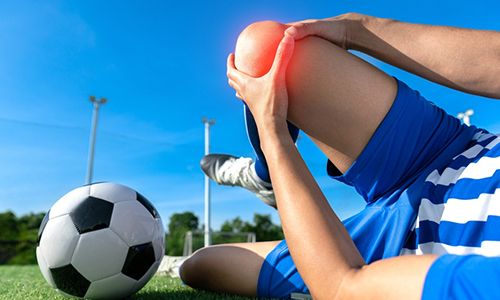
Sports injuries are physical damages or traumas that occur during athletic activities or exercise, often resulting from overexertion, improper technique, or accidents. They can affect muscles, ligaments, bones, joints, or tendons, ranging from minor bruises and strains to more severe issues like fractures, ligament tears, or concussions. These injuries not only hinder athletic performance but can also require medical intervention and rehabilitation, emphasizing the importance of proper training, warm-up routines, and safety measures to prevent them. Severe sports injuries often require prompt intervention at an Orthopedic hospital in Vijayawada
Common types of Sports Injuries
- Contusion
A contusion, often called a bruise, results from trauma to soft tissues caused by impacts such as kicks, falls, or blows, which rupture small blood vessels beneath the skin. This injury manifests through localized pain, swelling, and a distinctive discoloration that gradually changes colour as the blood collects and is reabsorbed, signalling tissue damage without breaking the skin.
- Sprain
A sprain happens when a ligament, the tough connective tissue that binds bones together and to cartilage, is stretched beyond its normal limits or torn, often affecting joints like the ankles, knees, or wrists. Usually caused by abrupt twists, impacts, or falls, sprains lead to pain, swelling, and limited mobility, and they are frequent injuries in sports or activities involving rapid changes in direction or accidental falls.
- Strain
A strain is an injury characterized by overstretching, twisting, or tearing of muscles or tendons, often caused by sudden or excessive physical activity, which leads to pain and limited movement. In contrast, a tendon is a strong, fibrous tissue that connects muscles to bones, playing a crucial role in facilitating movement and maintaining joint stability. Some examples of strain are
Our More Specializations
- Tennis Elbow (Lateral Epicondylitis)
Lateral epicondylitis, commonly known as tennis elbow, is a painful condition resulting from repetitive strain on forearm tendons, causing inflammation at the outer elbow. It often affects athletes and individuals engaged in repetitive arm movements, leading to tenderness, discomfort, and decreased grip strength, impacting daily activities and performance. - Golfer’s Elbow (Medial Epicondylitis)
Medial epicondylitis, commonly known as golfers' elbow, is a painful injury from repetitive forearm movements, causing inflammation at the inner elbow's bony area. Frequently seen in golfers and athletes, it presents as soreness, tenderness, and weakness, often alleviated through rest, ice application, and specific stretching exercises. - Lumbar Strain
A lumbar strain involves damage to the muscles or tendons in the lower back, usually from overstretching, heavy lifting, or abrupt movements. It causes pain, stiffness, and restricted movement but generally improves with rest, physical therapy, and anti-inflammatory medications, impacting daily routines and work but often healing well. - Jumper’s Knee (Patellar Tendinitis)
Jumper’s knee, or patellar tendinitis, is an overuse injury marked by inflammation and pain at the front of the kneecap, where the patellar tendon connects. Predominantly affecting athletes in jumping sports, it develops from repetitive stress, leading to discomfort during activities like running, stair climbing, and jumping. - Runner’s Knee (Patellofemoral Pain Syndrome)
Runner's knee, also known as patellofemoral pain syndrome, manifests as anterior knee pain due to overuse, improper alignment, or muscle imbalance. Common among runners and athletes, it causes discomfort during activities like running or climbing stairs, necessitating rest, targeted strengthening exercises, and, in some cases, medical treatment for effective healing.
- Fractures
A fracture is a disruption or crack in a bone caused by factors such as injury, repetitive stress, or disease, which can weaken the bone's structural integrity. Severity ranges from small cracks to severe breaks, often causing pain, swelling, and restricted movement. Accurate diagnosis and appropriate treatment are vital for proper healing and the restoration of normal function.
- Dislocation
A fracture is a bone break or crack caused by trauma, overuse, or disease, weakening its structure. Severity varies from minor fissures to complete breaks, with symptoms like pain, swelling, and limited mobility. Precise diagnosis and suitable treatment are essential for optimal healing and restoring full function. Shoulder dislocation treatment in Vijayawada typically involves a prompt reduction procedure performed by an orthopedic specialist, often under sedation or anesthesia to minimize pain and facilitate proper realignment.
Common Symptoms of Sports Injuries
Common sports injury symptoms often include localized pain that worsens with activity, swelling or bruising indicating tissue damage, limited range of motion or stiffness suggesting joint or muscle injury. A popping or snapping sensation during injury often indicates a tear in a ligament or tendon, serving as an early warning sign of significant tissue damage that may require prompt medical evaluation. Additional signs may involve tenderness to touch, weakness or instability in the affected area, and in some cases, numbness or tingling if nerves are impacted. Recognizing these symptoms early can help prevent further damage and facilitate appropriate treatment.
Common causes of Sports Injuries
Sports injuries often stem from factors such as repetitive strain from overuse, incorrect execution of techniques, insufficient warm-up routines, and abrupt, unanticipated movements that put stress on the body. Muscle strains often result from pushing beyond limits or fatigue, while ligament sprains occur due to awkward landings or twists. Poor equipment, such as ill-fitting shoes, can also contribute, along with playing on unsafe surfaces. Lack of conditioning, insufficient rest, and ignoring pain signs further increase injury risk, emphasizing the importance of proper training, equipment, and injury prevention measures.
Diagnosis of Sports Injuries
Sports injuries are diagnosed through a comprehensive process that includes a detailed medical history, physical examination, and functional assessments to pinpoint the affected area and severity. Advanced imaging techniques like X-rays, MRI, or ultrasound are often employed to reveal internal damage, such as torn ligaments in order to for proper Ligament injury treatment in Vijayawada or fractured bones. Sometimes, diagnostic injections or arthroscopy are used for precise evaluation. Accurate diagnosis guides effective treatment plans under the best ortho for sports injuries in Vijayawada ensuring a quicker and safer return to activity. ACL tear treatment in Vijayawada is an innovative surgical technique that personalized rehabilitation plans to ensure optimal recovery. Patients can opt for minimally invasive arthroscopic surgery, which reduces pain and speeds up healing, followed by tailored physiotherapy programs designed to restore strength, stability, and function.
Treatment of Sports Injuries
Effective sports injury treatment in Vijayawada hinges on prompt assessment and tailored interventions to promote rapid recovery and prevent recurrence. Initial management often involves RICE (Rest, Ice, Compression, Elevation) to reduce swelling and pain. Advanced treatments may include physiotherapy to restore strength and flexibility, alongside modalities like ultrasound or electrical stimulation. In some cases, medications such as anti-inflammatories are prescribed to manage pain. For severe injuries like ligament tears or fractures, the sports injury specialist in Vijayawada might suggest surgical intervention. Prevention is equally vital, emphasizing proper warm-up routines, strength training, and adequate rest. A multidisciplinary approach, involving sports physicians, physiotherapists, and nutritionists, optimizes recovery and helps athletes return to peak performance safely. Tennis elbow treatment in Vijayawada focuses on personalized care, combining traditional physiotherapy with advanced techniques such as shockwave therapy, targeted PRP (Platelet-Rich Plasma) injections, and minimally invasive procedures to ensure faster recovery and long-term relief.
Rehabilitation for Sports Injuries
Sports injury rehabilitation involves a multidisciplinary team—including sports physicians, physiotherapists, trainers, psychologists, and nutritionists—working collaboratively to restore strength, mobility, and confidence, ensuring a safe return to sport. The process starts with acute management (RICE), followed by tailored physiotherapy focusing on pain relief, joint stability, and proprioception. Advanced techniques like neuromuscular training and manual therapy are used by the best hospital for sports injuries in Vijayawada complemented by psychological support to address mental resilience. Proper adherence, gradual progression, and personalized care are essential for optimal recovery, injury prevention, and long-term athletic performance, ultimately helping athletes return to peak condition with minimized risk of re-injury.